
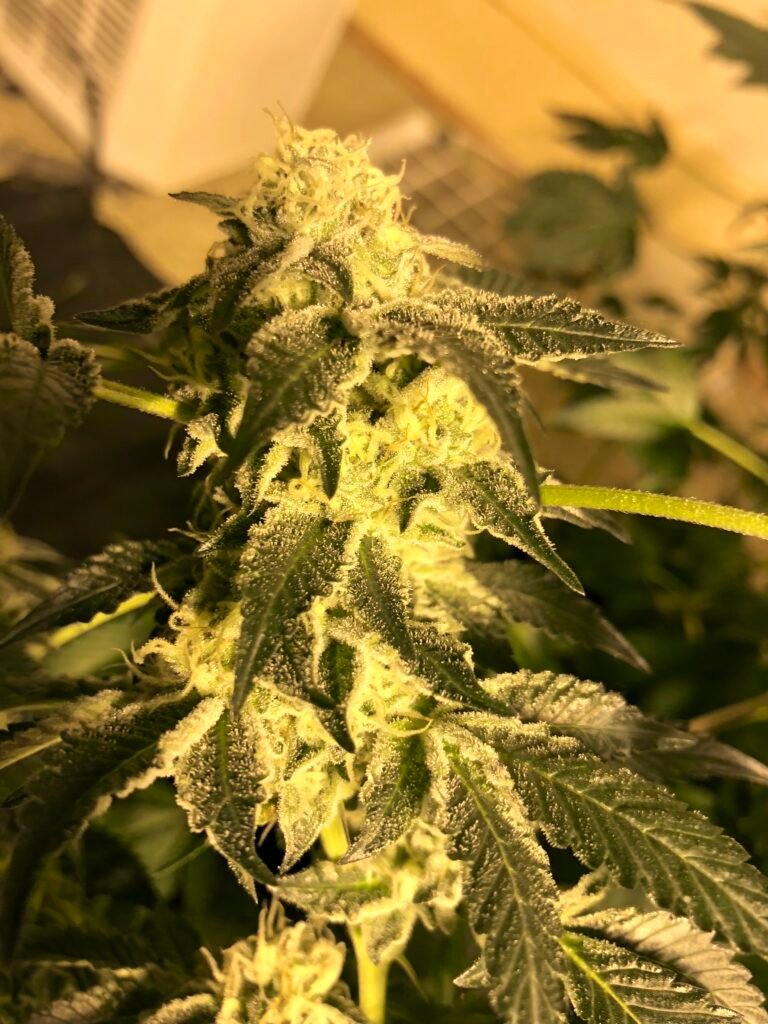
🌱 STEP 1: Choose Your Seeds
- Autoflower Seeds
- Flower based on age (not light schedule).
- Great for beginners; fast (70–90 days).
- Less yield than photoperiod, but simpler.
- Photoperiod Seeds
- Need 18 hours of light to stay in veg, then 12/12 to flower.
- Higher yields, more control.
- Takes longer to grow, more effort.
🌿 STEP 2: Pick Your Grow Medium – Organic Style
✅ Recommended Organic Base:
- Soil: Coco Loco (by FoxFarm) – Pre-amended with coconut coir, bat guano, worm castings, and microbes.
- Worm Castings: Add an extra layer or blend into soil for nitrogen and microbial health.
💡 Tip: Fill 3–5 gallon fabric pots for better root aeration and drainage. Autoflowers do great in 3-gallon pots; photoperiods benefit from 5 gallons for bigger yields.
💡 STEP 3: Set Up Your Lights
For Autoflowers:
- Light Schedule: 18/6 (18 hours light, 6 hours dark) from start to finish.
- Light Type: Full-spectrum LED (blurple or white)
- Wattage Recommendation: 100–200W per 2’x2’ grow space.
For Photoperiods:
- Veg Stage: 18/6 light
- Flower Stage: Switch to 12/12 (12 hours light, 12 dark)
- Light Type: Full-spectrum LED with UV and IR (for better trichomes)
- Wattage Recommendation: 200–400W per plant depending on space.
💡 Popular LED brands: Spider Farmer, Mars Hydro, HLG (budget to pro-level)
💧 STEP 4: Watering and Nutrients
- Use pH’d Water: Aim for 6.3–6.8 pH when growing in soil.
- Nutrients: Use FloraNova Grow (veg) and FloraNova Bloom (flower).
- Start at ¼ strength and work up.
- Feed every other watering.
💡 Organic growers: Supplement with compost tea or molasses once weekly during veg for microbial health.
📆 STEP 5: Growth Stages
1. Germination (3–7 days)
- Paper towel method or straight into damp soil.
- Keep warm and humid.
2. Seedling Stage (1–2 weeks)
- Use minimal nutrients.
- Humidity: 65–75%
3. Vegetative Stage (3–6 weeks or longer for photoperiods)
- Plants grow fast. Start low-stress training (LST) to shape your plant.
4. Flowering Stage (6–10 weeks)
- Stretch happens early on—expect 2x height increase.
- Switch to FloraNova Bloom.
- Watch humidity: keep under 50% to avoid mold.
🛠️ STEP 6: Troubleshooting Common Problems
🌫️ Mold & Mildew
- Cause: High humidity and poor airflow.
- Fix: Add oscillating fans; use dehumidifier; defoliate thick foliage.
💛 Yellow Leaves
- Cause: Could be overwatering, nitrogen deficiency, or pH issues.
- Fix: Test pH, flush if needed, check nutrient levels.
🥀 Withering/Droopy Leaves
- Cause: Over or under-watering.
- Fix: Feel the soil. Too dry? Water. Too wet? Let it dry out.
🐛 Bugs & Pests
- Common ones: Spider mites, aphids, fungus gnats.
- Fix: Neem oil (early stages), yellow sticky traps, diatomaceous earth, or beneficial insects (ladybugs).
🐢 Slow Growth
- Cause: Low light, cold temps, overwatering, or root-bound.
- Fix: Increase light strength, check root space, ensure temp is 72–80°F.
🔥 STEP 7: Know When to Harvest
- Look at the trichomes under a jeweler’s loupe or microscope:
- Clear = not ready
- Cloudy = peak THC
- Amber = more sedative effect
- Bud signs:
- Swollen calyxes
- Pistils (hairs) mostly orange/brown and curled in
- Strong, sticky smell
🌬️ STEP 8: Drying Your Buds
- Hang branches or buds in a dark, cool room (60–70°F, 50–60% humidity).
- Dry for 7–14 days until stems snap (not bend).
🫙 STEP 9: Curing and Storing
- Place buds in glass jars (Mason jars work great).
- Open jars once per day for 10–15 minutes (“burping”) for the first 2 weeks.
- After 3–4 weeks of curing, your buds will be smoother, tastier, and more potent.
💡 Store jars in a dark, cool place. Use humidity packs (like Boveda 62%) to maintain freshness.
🎯 Final Tips for Success
- Stay clean: Always wash hands and tools. Keep grow space sterile.
- Journal: Keep notes of each grow to improve your next round.
- Patience: Don’t rush the dry or cure—it can make or break your final product.